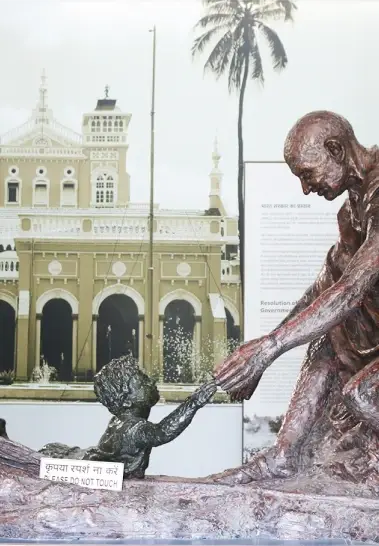
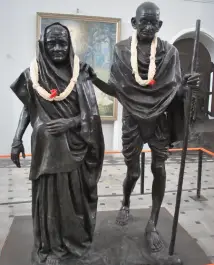
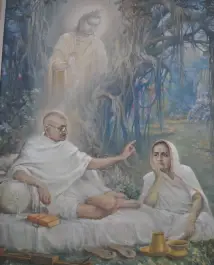
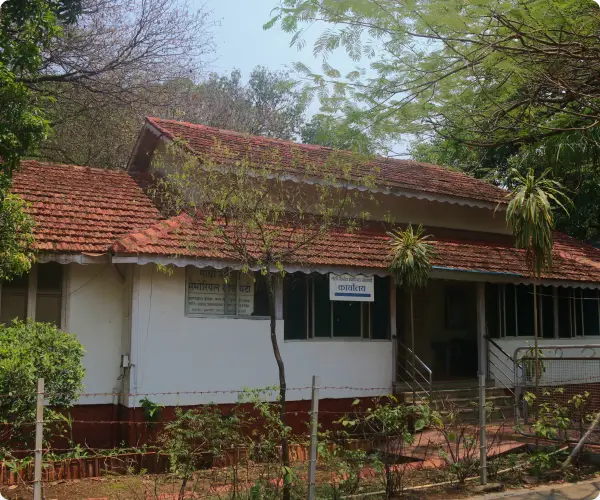
The Gandhi National Memorial Society stands as the custodian of one of India’s most treasured historic sites, the Agakhan Palace in Pune. A place forever intertwined with Mahatma Gandhi’s personal journey and the nation’s struggle for independence, the Palace today continues to inspire reflection, service, and social change.
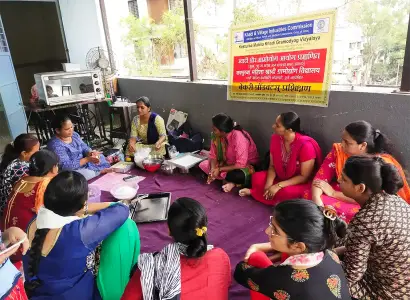
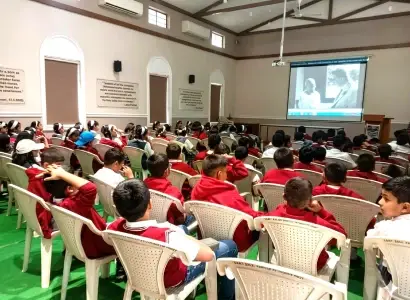
GNMS preserves this powerful heritage while carrying forward Gandhi’s values of truth, service, dignity, and community empowerment through education, cultural initiatives, and social development programs.
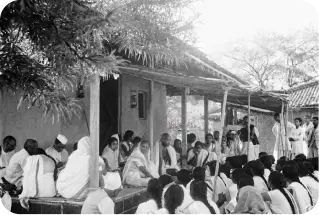
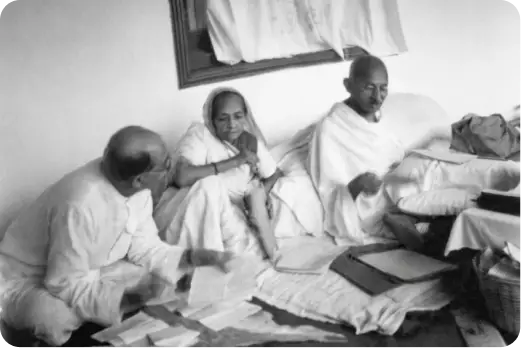
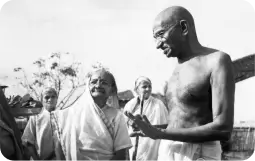
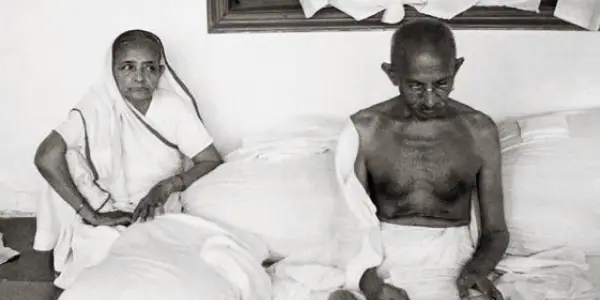
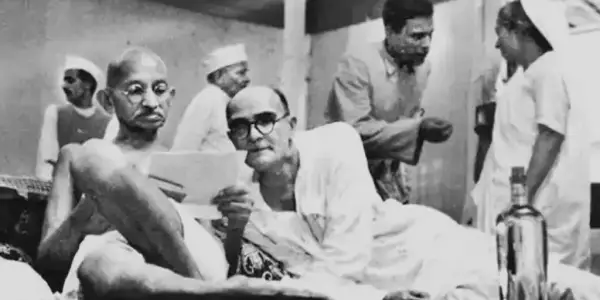
During the Quit India Movement of 1942, the British Government interned Mahatma Gandhi at the Agakhan Palace along with Kasturba Gandhi, Mahadev Desai, Mirabehn, Sarojini Naidu, Pyarelal Nayyar, and Dr. Sushila Nayyar.
Between August 1942 and May 1944, this peaceful Palace became a place of immense sacrifice and resilience. During this period, Gandhi’s beloved wife, Kasturba Gandhi, as well as his personal secretary, Mahadev Desai passed away, marking the site with profound emotional and historical significance.
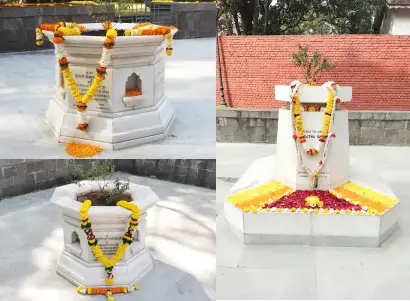
Today, the Samadhis of Kasturba Gandhi and Mahadev Desai, along with a portion of Mahatma Gandhi’s ashes are enshrined within the outside garden. The Agakhan Palace has since become a sacred space of remembrance, reflection, and national heritage.
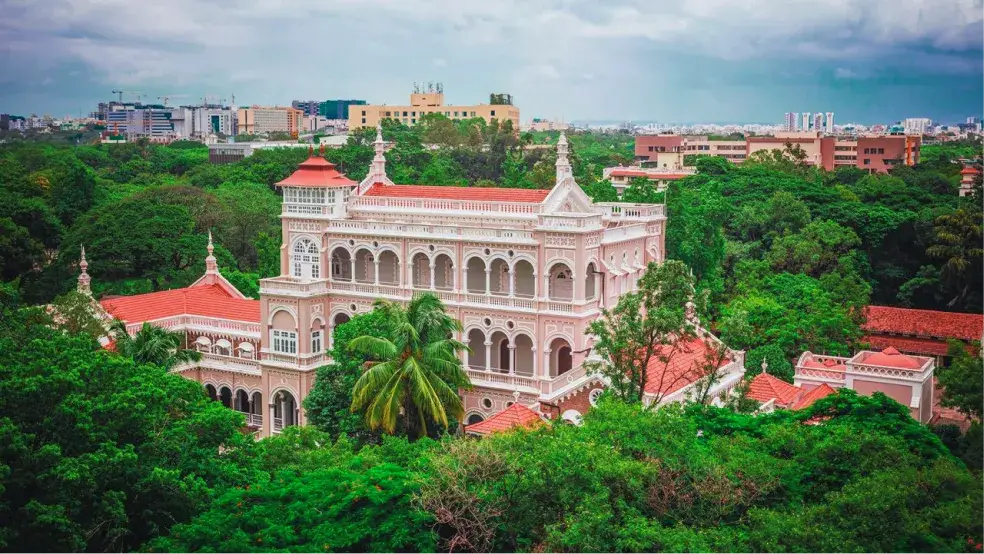
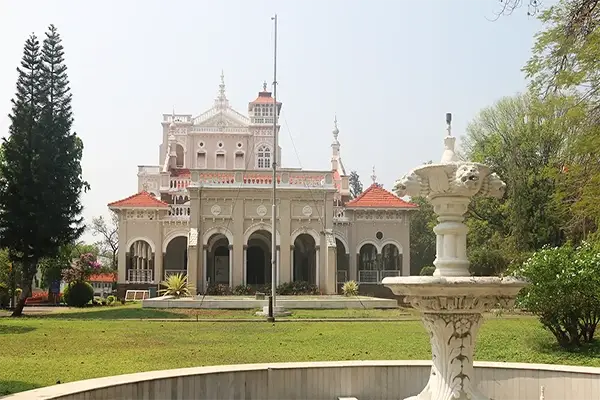
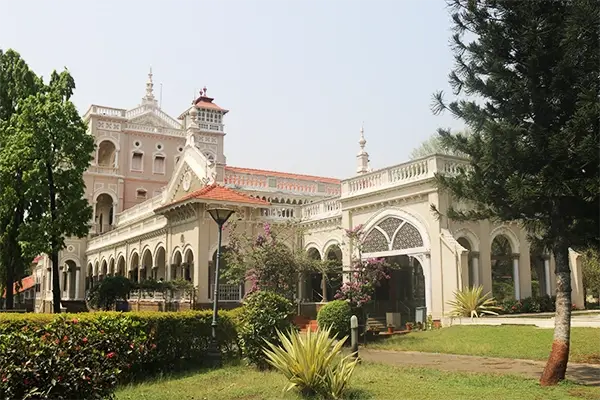
The Agakhan Palace was originally constructed in 1892 by Sultan Mohammad Shah Aga Khan III as a humanitarian initiative to provide employment during a devastating famine.
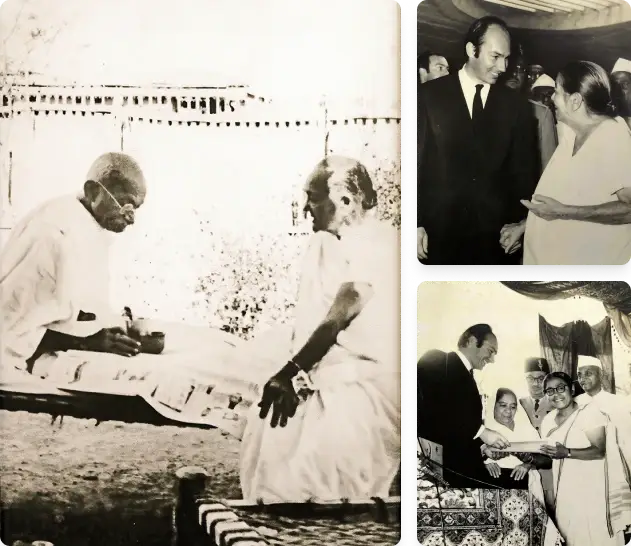
In 1969, on the birth centenary of Mahatma Gandhi, H.H. Prince Karim Aga Khan gifted the Palace to the nation as a tribute to Gandhiji. The transfer was formally registered in 1970, ensuring that the Palace would be preserved as a national memorial dedicated to Ba (Kasturba Gandhi) and Bapu (Mahatma Gandhi).
In 1971, the Government of Maharashtra vested the Samadhi land in the name of the Gandhi Smarak Nidhi in Delhi, while associated trusts were granted responsibility for continued preservation of the site.
Later, in 2003, the Government of India declared the Agakhan Palace a centrally protected monument under the Ancient Monument Act of 1958, recognizing its national historical importance.
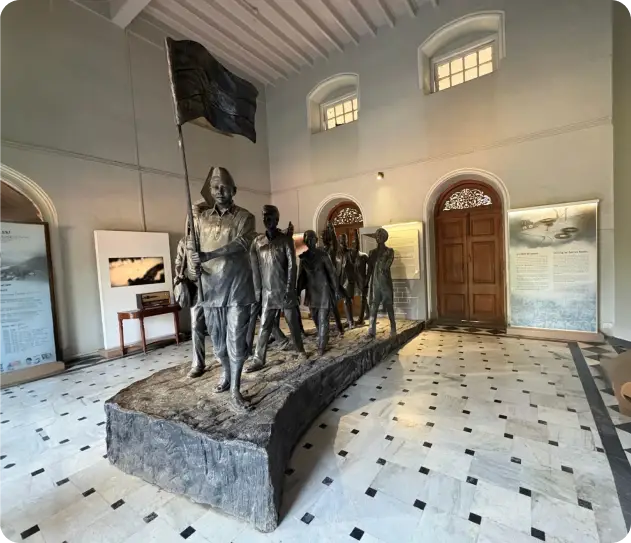
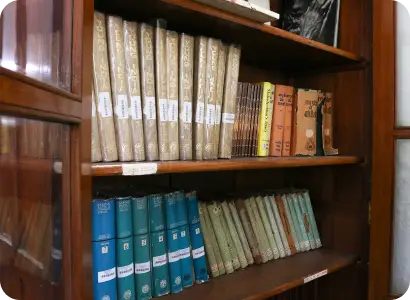
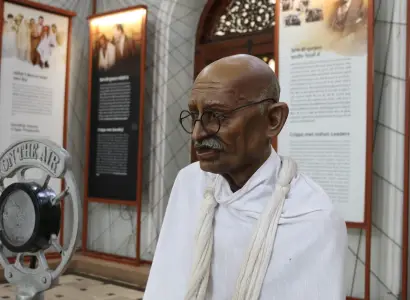
The palace today preserves this memory through archives, artifacts, and spaces associated with his time here.
Since 1980, GNMS has served as the operational custodian of the Agakhan Palace, preserving its heritage while advancing initiatives aligned with Gandhian philosophy and maintaining its integrity and purpose.
To fulfil Mahatma Gandhi’s vision of transforming the Palace into “a place for the empowerment and development of women,” the Gandhi Smarak Nidhi in Delhi established the Gandhi National Memorial Society as custodians of Ba Bapu’s Legacy on 3 March 1980.
“The best way to find yourself is to lose yourself in the service of others.”
— Mahatma Gandhi
From construction to becoming a protected monument, each milestone tells the story of transformation and the enduring spirit of service and sacrifice
Kasturba Gandhi played a vital role in India’s freedom movement and stood as a powerful symbol of resilience, compassion, and moral strength. Throughout the years of struggle, she supported Gandhiji’s work and inspired communities through her dedication to service.
Her final days were spent within the Agakhan Palace in 1944. Today, her legacy continues to inspire initiatives that promote women’s empowerment, dignity, and participation in society.
GNMS honours her memory by encouraging programs that support women’s leadership and development.
Kasturba Gandhi (1869–1944), born in Porbandar, was a steadfast force in India’s freedom movement and the lifelong companion of Mahatma Gandhi. Married young and initially illiterate, she later learned to read and write, growing into a resilient leader who stood firmly through struggles, imprisonment, and social change.
She actively supported movements in India and South Africa, rejecting caste discrimination and inspiring women to step forward and participate in public life.
During the Champaran Movement in Bihar in 1917, she played an active role. She worked for women’s welfare, taught underprivileged children, and spread awareness among people. In 1932, she was imprisoned again for her continued involvement in revolutionary activities.
She passed away on 22 February 1944 at the Agakhan Palace, leaving behind a legacy of courage, compassion, and empowerment.
Mahadev Desai (1 January 1892 – 15 August 1942) was Mahatma Gandhi’s trusted personal secretary, a freedom fighter, and an accomplished writer. He was his closest aide, constant companion, and a son-like confidant for over 25 years. From 1917, he worked with Gandhi, playing key roles in the Champaran and Bardoli Satyagrahas, and was known as “Gandhi’s Boswell.” Born in Saras village, Surat, he studied law and worked at the Central Co-operative Bank before joining Gandhi through Narhari Parikh.
As Gandhi’s constant companion, he became known for his unwavering presence. He participated in major movements including Champaran (1917), Bardoli (1928), and Quit India (1942), and endured imprisonment with Gandhi. He contributed extensively to Young India, Navjivan, and Harijan, and authored works like With Gandhi in Ceylon and The Story of Bardoli.
While imprisoned at the Agakhan Palace during the Quit India Movement, Mahadevbhai suffered a sudden heart attack and passed away on 15 August 1942 at Agakhan Palace, Pune. Gandhi expressed that Mahadevbhai managed to complete “a century’s work in 50 years”.

While safeguarding the historic significance of the Agakhan Palace, GNMS works actively to translate Gandhian ideals into meaningful social impact.